
If your power goes out and you have no backup… your sump pump stops, your fridge starts warming, your furnace shuts off, and your family sits in the dark. For most Courtice and Durham Region homeowners, the question is not whether an outage will happen. It is whether you will be ready when it does.
Here is how to know if a backup generator makes sense for your home.
Why Courtice Homes Are Particularly Exposed
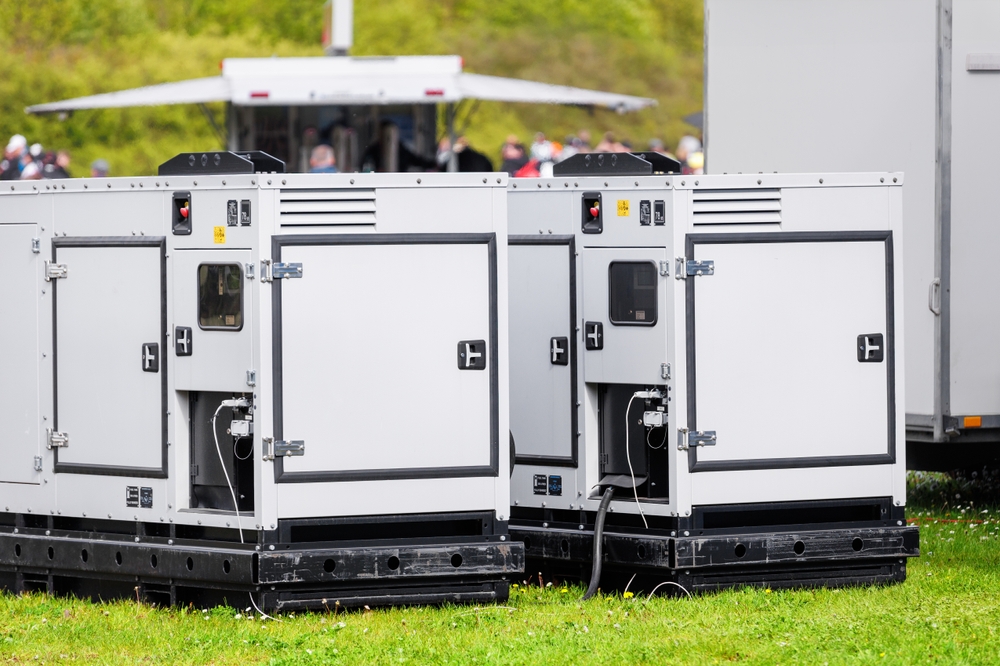
Courtice sits in the eastern end of Durham Region, where ice storms, summer thunderstorms, and the occasional windstorm regularly knock out power. The grid infrastructure serving newer subdivisions is generally reliable, but it is not immune to prolonged outages from fallen trees, equipment failure, or extreme weather events.
When outages happen, they tend to be clustered. The same storm that cuts your power cuts your neighbour’s. That means fewer available hotel rooms, busier emergency services, and a longer wait for Hydro One crews to restore service.
A generator does not prevent the outage. It just means the outage does not disrupt your household.
7 Signs Your Home Should Have a Backup Generator
1. You have a sump pump.
If your basement floods without one, you already know what is at stake. Sump pumps run on electricity. The problem is that the storms most likely to knock out your power are the exact same storms most likely to produce the flooding that requires your sump pump to run. This is one of the clearest cases for backup power.
2. You have a well pump.
Homes on well water lose running water the moment power goes out. No water means no toilets, no cooking, no cleaning. If this describes your property, a generator is not a luxury.
3. You work from home.
A lost workday, a missed deadline, a dropped video call during a client meeting – the financial cost of a prolonged outage adds up fast for remote workers and home-based businesses. For many people, a single prevented outage pays for a meaningful portion of the generator cost.
4. Someone in your home depends on powered medical equipment.
CPAP machines, oxygen concentrators, nebulizers, and other medical devices require continuous power. For households with these needs, backup power is a safety requirement, not a comfort decision.
5. You have lost a fridge or freezer to an outage before.
A fridge loses safe temperature after about four hours without power. A full chest freezer lasts longer, but not indefinitely. If you have ever thrown out hundreds of dollars in food after an outage, you know exactly how quickly that math changes when weighed against the cost of a generator.
6. Your home uses electric heat or a heat pump.
Natural gas furnaces still require electricity to run the blower, igniter, and thermostat. Heat pumps are entirely electric. In January, a multi-day outage in Courtice is a serious cold-weather risk, especially for older adults, young children, and pets.
7. You have experienced outages longer than a few hours.
If your neighbourhood has a history of extended outages – whether from ice accumulation on lines, transformer failures, or storm damage – that pattern is likely to repeat. Past outages are one of the most reliable indicators of future outages in the same area.
Portable vs. Standby: What Is the Difference?
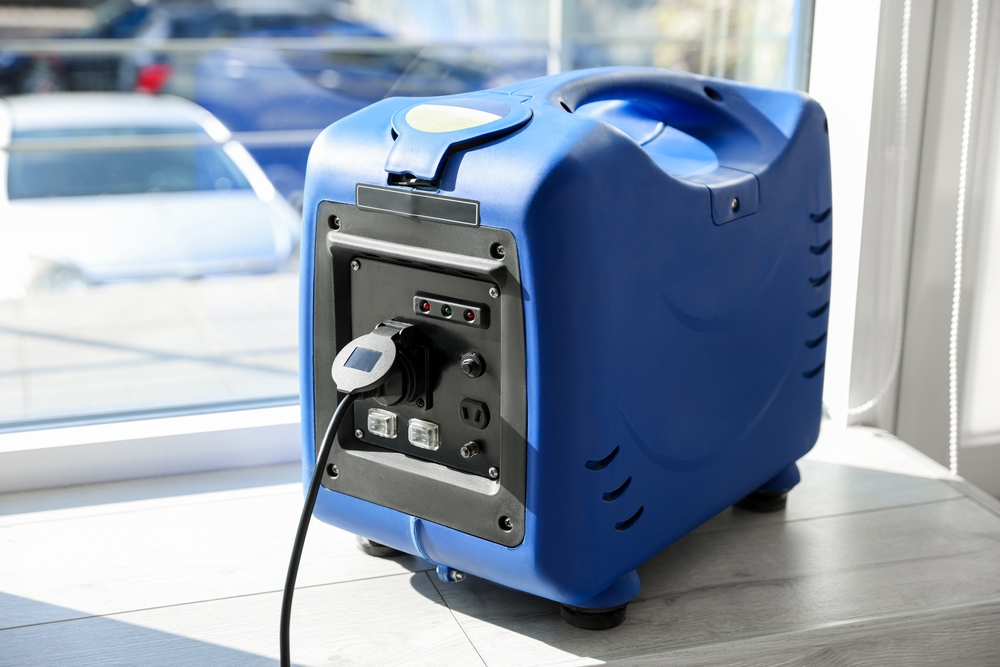
Portable generators are manually started and connected. They are less expensive upfront and flexible — you can store one and bring it out when needed. The tradeoff is that you have to be home, you have to start it manually, and running extension cords or a manual connection through a proper inlet takes effort.
A portable generator with a proper inlet and interlock installation can power essential circuits safely and to code. This is a significantly better setup than running cords through windows, which creates fire and carbon monoxide risks.
Standby generators are permanently installed and start automatically the moment an outage is detected — usually within seconds. You do not have to be home. You do not have to do anything. They are connected directly to your home’s electrical system through an automatic transfer switch, and they typically run on natural gas or propane.
The cost difference is significant. A portable inlet and transfer setup runs roughly $1,500 to $3,500 installed. A fully installed standby system with automatic transfer equipment typically ranges from $7,000 to $15,000 or more, depending on the size and complexity of the installation.
For most Courtice homeowners who want reliable hands-off protection, standby is the better long-term investment. For those who want backup capability on a tighter budget, a properly installed portable setup is a solid middle ground.
What the Electrical Work Actually Involves
Connecting a generator to your home is not a plug-and-play situation. It requires a licensed electrician to do the following:
Transfer switch or interlock installation. This is non-negotiable. A transfer switch — either automatic for standby or manual interlock for portable — isolates your home from the utility grid while the generator is running. Without it, generator power can backfeed into utility lines and electrocute a lineworker restoring power in your neighbourhood. It is both illegal and dangerous to skip this step.
Panel assessment. Your electrical panel needs to have the capacity to support the generator connection and handle the circuits you want backed up. Homes running 100-amp service that are already near capacity may need a panel upgrade as part of the project.
Circuit selection. For most homeowners, whole-home backup is not necessary. A well-planned generator installation backs up the circuits that matter: sump pump, refrigerator, furnace, a few lights and outlets, and anything medically critical. This keeps the generator size and fuel consumption manageable.
Permits and ESA inspection. Required in Ontario. All generator electrical work must be permitted and inspected by the Electrical Safety Authority. This protects your home, your insurance coverage, and your investment in the system.
What Size Generator Do You Need?
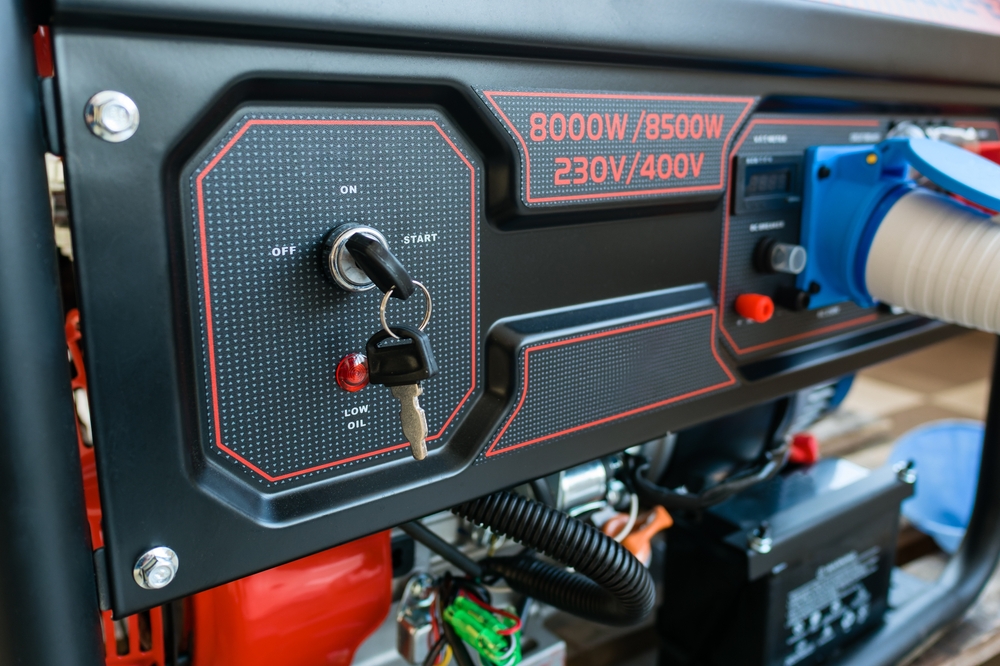
Generator sizing depends on what you want to run. A few rough benchmarks:
| What You Want to Power | Approximate Generator Size |
|---|---|
| Sump pump + fridge + lights | 5,000 – 7,500 watts |
| Add furnace blower and outlets | 7,500 – 10,000 watts |
| Whole home (most circuits) | 14,000 – 20,000 watts |
These are starting points. A proper assessment reviews your actual loads and recommends a size that fits your needs and budget. Oversizing a generator wastes fuel and money; undersizing one means it shuts down under load.
A Note on Panel Readiness
Before booking a generator installation, it is worth understanding the current state of your electrical panel. Homes with older 100-amp service, or panels that are already running near capacity, may need upgrades before a generator connection makes sense.
If your panel is a Federal Pacific or Zinsco brand, that issue should be addressed first regardless of the generator project. These panels carry documented safety risks that are independent of generator capacity.
An electrical inspection before the generator installation gives you a clear picture of what the panel can handle and what work, if any, needs to come first.
Summary
| Portable + Inlet Setup | Standby Generator | |
|---|---|---|
| Cost (installed) | $1,500 – $3,500 | $7,000 – $15,000+ |
| Starts automatically | No | Yes |
| Requires you to be home | Yes | No |
| Best for | Budget-conscious backup | Hands-off reliability |
| Transfer switch required | Yes (manual interlock) | Yes (automatic) |
If you are not sure which option fits your home and situation, contact LP Electrical for an assessment. We install backup generator systems for homeowners in Courtice, Oshawa, Whitby, Bowmanville, Ajax, and the rest of Durham Region.
